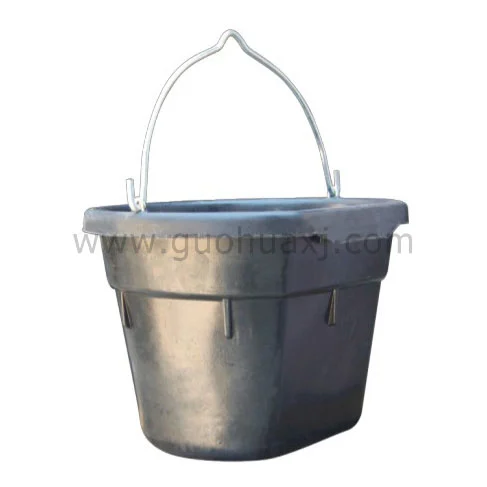
Animals kick, step on and knock over their feed and water containers. Rubber is widely used on farms and in stables because it takes that treatment without cracking and does not have sharp broken edges. This guide helps you choose the size of a tub or bucket by the animal and how many share it. The water-intake figures are typical values for adult animals; intake depends on weather, feed, and size and lactation.
Typical daily water intake
| Animal | Litres per day, approx. | Suggested container |
|---|---|---|
| Horse | 25–50 | 20 L bucket, or 40 L tub shared |
| Beef cattle | 30–60 | 40–58 L tub, or 115 L oval tub |
| Dairy cow (lactating) | 80–140 | 115–154 L oval tub |
| Sheep | 4–10 | 10–20 L bucket or 25 L tub, shared |
| Goat | 3–8 | 10–20 L bucket |
| Pig | 5–10 | 25–40 L tub |
Water intake rises in hot weather and with dry feed. Check the tub more than once a day and clean it regularly.
Sizes that suit animals
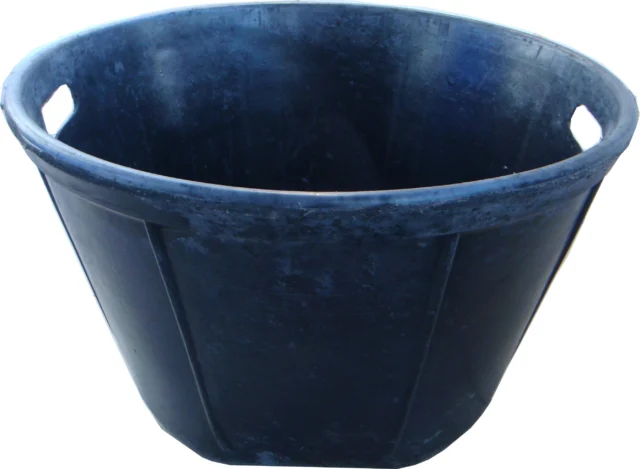
- 10–20 L buckets. The BB020 (20 L, 3.1 kg) is a standard stable bucket: one horse’s feed, or part of its water. It is light enough to carry when it is partly full.
- 25–40 L flexible tubs. The BF039 (39 L) and BT040 (40 L) are tubs for shared water and for feeding silage, hay and concentrates.
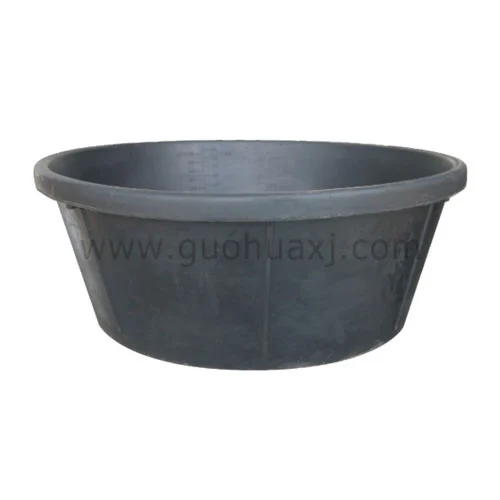
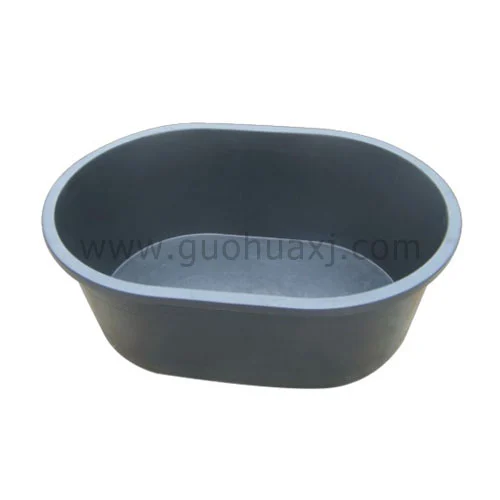
- 56–58 L. The BP056 pan and the PP058 oval tub are wide, low troughs for several animals.
- 115–432 L. The larger oval tubs are field troughs.
Why flexible rubber suits animals
- No sharp edges. Rigid plastic can crack and leave sharp edges. Rubber deforms and returns.
- Frost. In winter ice can be flexed out of a rubber tub; rigid containers have to be tipped and struck.
- Low noise. A rubber tub does not clang when kicked, which keeps horses calmer.
- Stability. The weight of rubber keeps a tub from being knocked over as easily as a light plastic one.
Feeding and water: shape
For feed, a low, wide tub or a pan lets animals reach the contents and reduces waste. For water, depth matters more: a deeper tub stays cooler and takes longer to empty. On the shapes see bucket, pan or tub.
Hygiene and odour
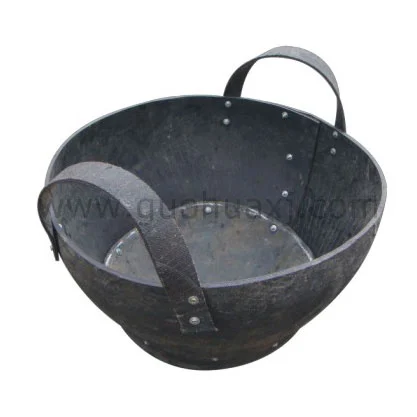
Clean feed and water containers regularly with water and a mild detergent, rinse well and let them dry. New rubber can smell; wash and air it for a few days before first use. Some animals dislike the smell of recycled tyre rubber, so for feed and drinking water we suggest a new-rubber model. See recycled tyre rubber vs new rubber tubs.
Request a quote for farm and stable supplies.